Welcome to the Buy Yourself Flowers Project Blog, created for teenagers seeking . Here you’ll find personal stories, confidence tips, expert-backed advice, and resources to help you navigate your world with strength and self-love.
This article discusses how comparison can harm self-esteem and mental health, offering a three-question method to help shift from envy to self-improvement. It encourages embracing unique qualities and using academic comparison as a tool for motivation.
This article explores the challenges of maladaptive perfectionism and how it can negatively impact mental health, emphasising the importance of shifting from unrealistic expectations to achievable goals while fostering a kinder, more balanced mindset.
This article explores the significance of self-respect in building self-worth and maintaining mental well-being. It highlights how setting boundaries, practicing self-compassion, and surrounding oneself with positive influences are key to cultivating self-respect.
This article discusses burnout among high schoolers, its impact on health, and how to manage it. It shares advice from Ms. Kelly McKeown on preventing burnout by maintaining balance and seeking support. Prioritising self-care and taking breaks are key to overcoming burnout.
This article explores the pressures of being labeled the “smart one” and how it can lead to burnout. It discusses how the constant need to live up to past achievements can drain energy and increase anxiety. Healing from burnout involves learning to rest, accepting imperfection, and realising that self-worth isn’t tied to always being the best.
This article highlights the mental health impact of constant digital connectivity and the pressure it creates. It offers personal insights on setting digital boundaries, such as turning off non-essential notifications and taking breaks from social media.
This article explores how loneliness is about emotional connection rather than physical presence, often felt even when surrounded by others. It highlights the importance of understanding your loneliness and learning to enjoy alone time as a way to protect mental health. Recognising your need for deeper connections and valuing solitude can strengthen self-worth.
This article discusses how motivation naturally fluctuates, and the unrealistic expectation of constant drive. It highlights the importance of building motivation through small, consistent actions, rather than waiting for it to appear. By practicing self-compassion and focusing on one small task at a time, you can create momentum that keeps you moving forward.
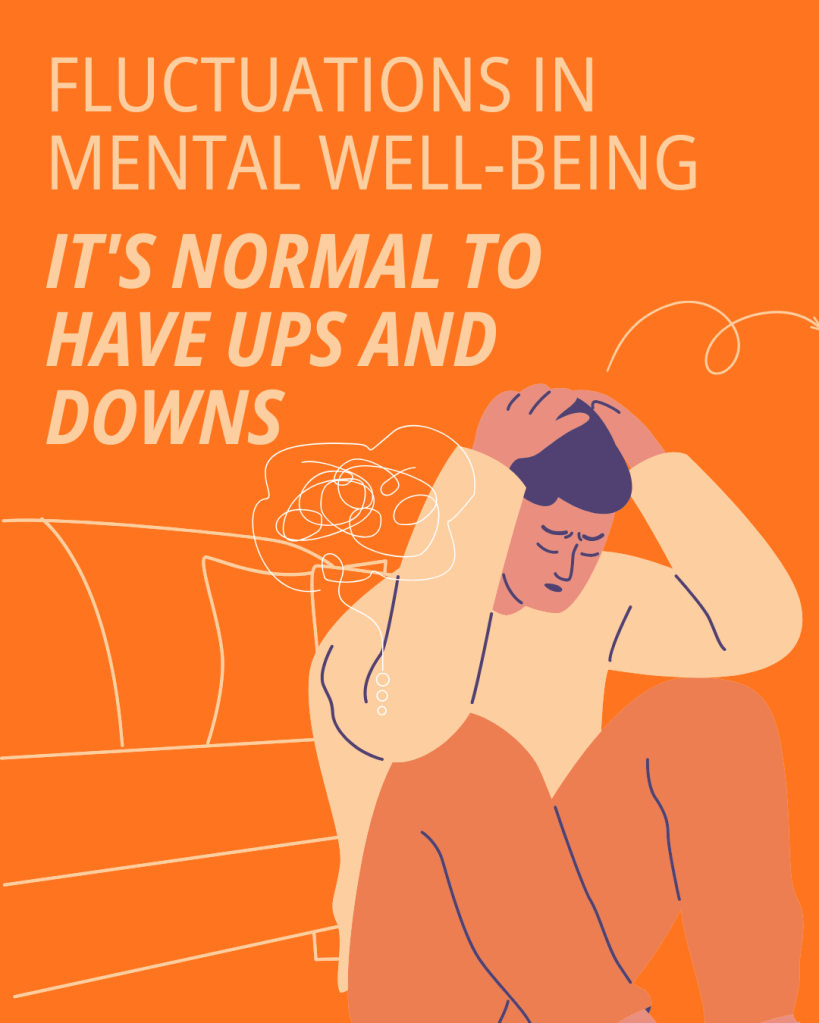
This article explores the natural fluctuations in our mental well-being and offers ways to cope, like allowing yourself to rest and taking things one step at a time. It reminds us that it’s okay to have both good and bad days, and that these moments will pass with time.
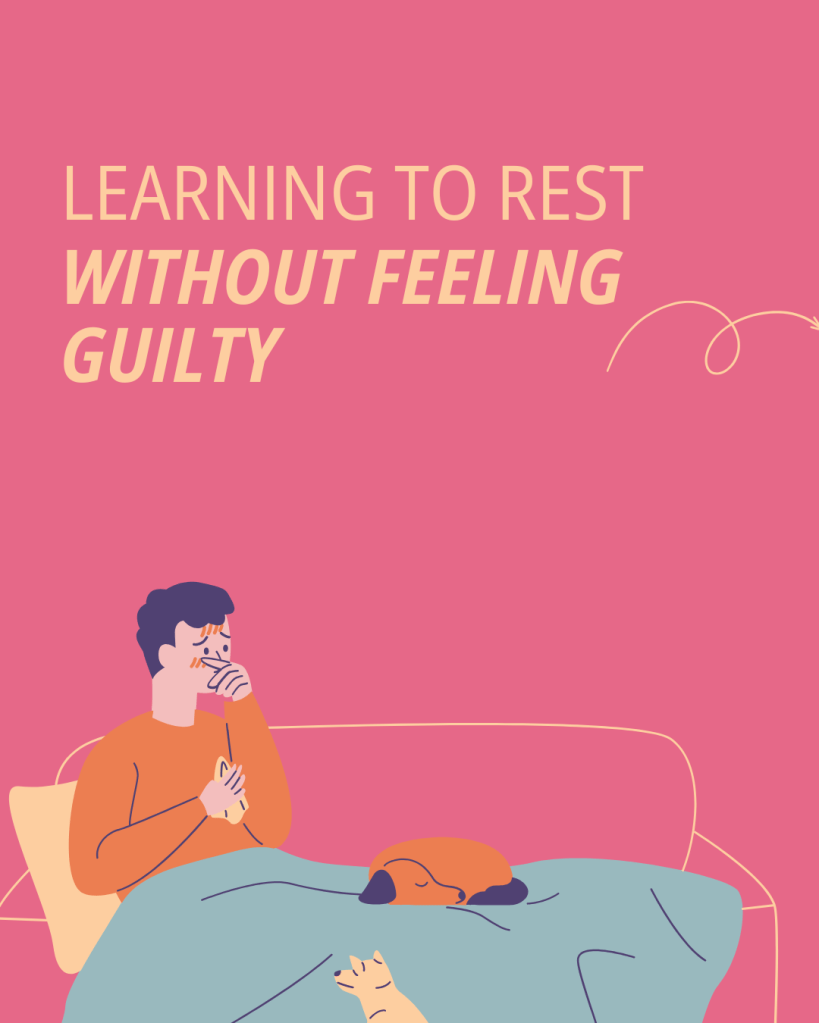
This article explores why rest can feel undeserved, especially when you’re used to measuring your worth by how much you get done. It unpacks the guilt that comes with slowing down and shows how rest isn’t a reward for perfect productivity, but a basic need that protects your focus, motivation, and mental health. By treating rest as maintenance and practicing more compassion toward yourself, you can recharge without feeling like you’re falling behind.
This article explores why friendships can start to feel surprisingly complicated as you grow up, even when you care about the people around you. It explains how changing identities, unspoken expectations, and the pressure to always be available can make connection feel fragile and stressful. By communicating more honestly, letting friendships evolve, and remembering that closeness doesn’t always mean constant contact, you can build healthier friendships.

 The Buy Yourself Flowers Project